
When choosing software for your veterinary practice, you’ll likely encounter two terms: mobile veterinary software and cloud-based PIMS. But here’s the thing – these aren’t always competing categories. Understanding the difference can save you time, money, and confusion when selecting the right solution for your practice.
What Is Mobile Veterinary Software?
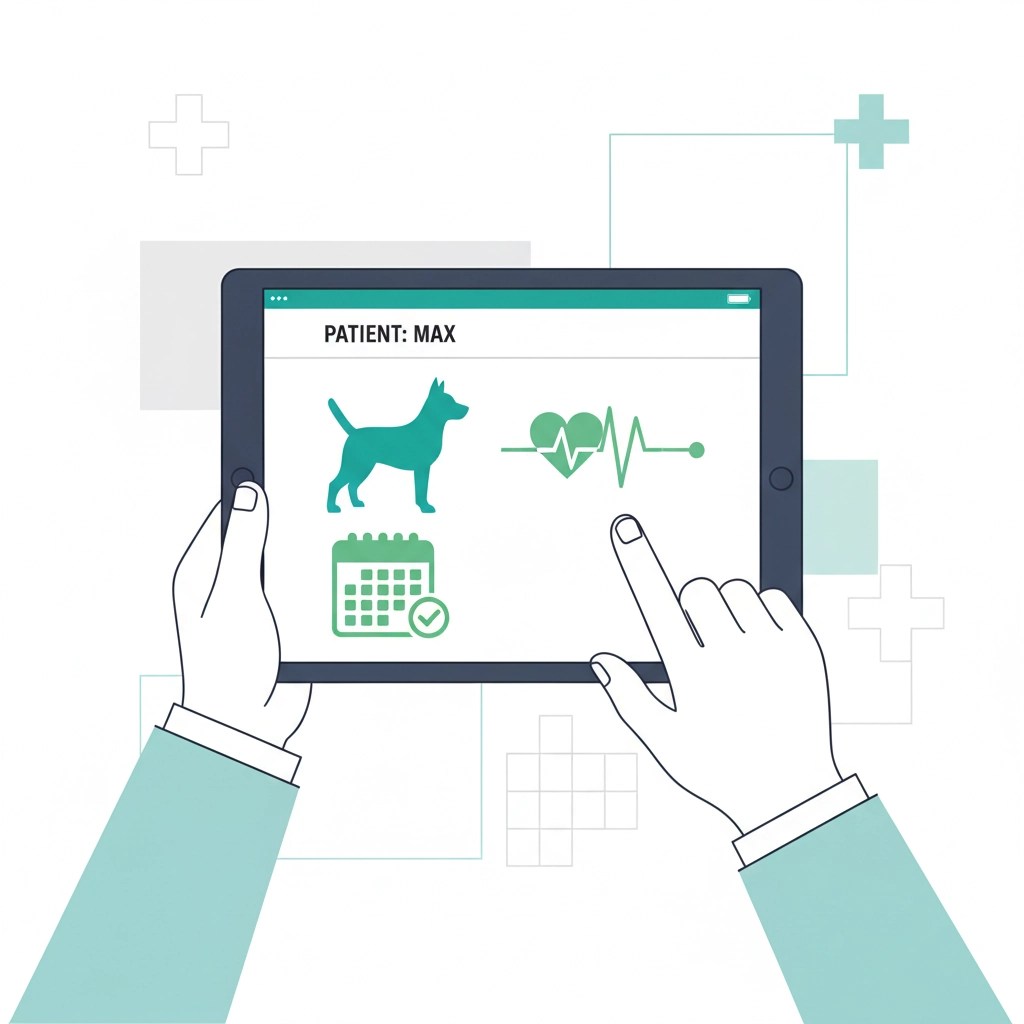
Mobile veterinary software refers to applications designed specifically for mobile devices like smartphones and tablets. These apps focus on portability and ease of use for veterinarians who need to access information on the go.
Mobile apps typically offer:
- Basic patient record access
- Appointment scheduling
- Quick note-taking capabilities
- Photo and video capture for cases
- Communication tools for staff
The key advantage is simplicity. You can check a patient’s vaccination history while examining them, or quickly jot down treatment notes without returning to a desktop computer.
What Is Cloud-Based PIMS?
Cloud-based Practice Information Management Systems (PIMS) are comprehensive software solutions hosted on remote servers. You access them through internet browsers or dedicated applications on any device – desktop, laptop, tablet, or smartphone.
Cloud-based PIMS include:
- Complete patient records management
- Appointment scheduling and calendar integration
- Billing and payment processing
- Inventory management
- Staff scheduling and communication
- Reporting and analytics
- Integration with laboratory systems and imaging equipment
The main benefit is completeness. Everything your practice needs runs through one integrated system.
The Reality: They Often Overlap
Here’s where it gets interesting. Most modern cloud-based PIMS systems are designed to work seamlessly on mobile devices. When you access your cloud-based PIMS through a tablet or smartphone, you’re essentially using mobile veterinary software.
The distinction often comes down to:
- Dedicated mobile apps: Standalone applications with limited functionality
- Mobile-responsive cloud systems: Full practice management accessible on any device
Benefits of Mobile-First Veterinary Software
Immediate Access
Mobile apps open quickly and provide instant access to essential information. No waiting for browsers to load or navigating complex interfaces.
Offline Functionality
Some mobile apps work without internet connectivity, syncing data when connection returns. This helps in areas with poor cellular coverage.
Touch-Optimized Interface
Mobile apps are designed for finger navigation, making them easier to use during examinations or when wearing gloves.
Lower Learning Curve
Staff familiar with smartphone apps can adapt quickly to mobile veterinary software.

Benefits of Cloud-Based PIMS
Comprehensive Functionality
Cloud-based systems handle every aspect of practice management from one platform. No switching between different apps or systems.
Automatic Updates
Software updates happen automatically without manual installation or app store downloads.
Cross-Device Synchronization
Information entered on one device appears instantly on all others. Your receptionist’s appointment changes show up on your tablet immediately.
Advanced Reporting
Cloud systems offer detailed analytics and reporting capabilities that mobile apps typically can’t match.
Integration Capabilities
Cloud-based PIMS connect with laboratory systems, imaging equipment, and other practice tools more effectively than standalone mobile apps.
Drawbacks to Consider
Mobile Apps Limitations
- Limited functionality compared to full systems
- Potential for data silos if not properly integrated
- May require separate systems for billing, inventory, etc.
- App store dependency for updates
Cloud-Based PIMS Challenges
- Requires consistent internet connectivity
- May be slower to load than dedicated mobile apps
- Can be overwhelming for simple tasks
- Higher monthly costs than basic mobile apps

Which Works Better for Different Practice Types?
Single-Veterinarian Mobile Practices
If you primarily do house calls and need basic record access, a dedicated mobile app might suffice. However, you’ll still need a system for billing, detailed records, and practice management tasks.
Small Practices (2-5 Veterinarians)
Cloud-based PIMS typically work better. You need coordination between staff members, comprehensive billing, and detailed record keeping that mobile-only solutions can’t provide effectively.
Multi-Location Practices
Cloud-based systems are essential. Managing inventory, staff schedules, and patient records across locations requires comprehensive integration that standalone mobile apps can’t deliver.
Emergency or Relief Veterinarians
Mobile apps can work well for temporary access to patient information, but you’ll likely need to use whatever system the practice already has in place.
Making the Right Choice
Consider these questions:
Do you need full practice management or just patient access?
If you need billing, inventory management, staff scheduling, and comprehensive reporting, cloud-based PIMS is necessary. For simple record access, mobile apps might work.
How important is offline access?
Some mobile apps work without internet, but cloud systems require connectivity. If you work in areas with poor cellular coverage, this matters.
What’s your budget?
Mobile apps often have lower monthly costs, but you may need multiple systems to handle all practice needs. Cloud-based PIMS cost more but include everything.
How tech-savvy is your staff?
Mobile apps are generally easier to learn, but staff familiar with computers may prefer comprehensive cloud systems.

The Hybrid Approach
Many successful practices use both. They implement a cloud-based PIMS for comprehensive practice management, then use its mobile capabilities or supplementary mobile apps for specific tasks.
For example:
- Use cloud-based PIMS for all practice management tasks
- Access the same system via mobile devices during examinations
- Use specialized mobile apps for specific functions like surgical checklists or drug dosage calculators
Future-Proofing Your Choice
Technology evolves quickly. Consider:
Scalability
Will the system grow with your practice? Mobile-only solutions may not scale effectively as you add locations or staff.
Integration Options
Can the system connect with other tools you might need later? Cloud-based PIMS typically offer better integration options.
Data Ownership
Who owns your data if you switch systems? Ensure you can export information regardless of which option you choose.
Getting Started
Most veterinary software providers offer free trials or demonstrations. Test both mobile apps and cloud-based systems to see which fits your workflow better.
Key questions to ask during demos:
- How easy is it to access patient records during examinations?
- Can staff members work simultaneously without conflicts?
- What happens if internet connectivity is lost?
- How much training will staff need?
- What are the total monthly costs including all features you need?

The choice between mobile veterinary software and cloud-based PIMS depends on your practice’s specific needs, size, and workflow. Many practices find that cloud-based PIMS accessed through mobile devices provides the best of both worlds – comprehensive functionality with mobile convenience.
Consider your practice’s current challenges, future growth plans, and staff capabilities when making this decision. The right choice will improve efficiency, reduce errors, and ultimately help you provide better patient care.
Ready to explore your options? Request a demo to see how modern veterinary software can transform your practice workflow, whether you choose mobile-first applications or comprehensive cloud-based solutions.