
Choosing the right Practice Information Management System (PIMS) is one of the most critical decisions for a veterinary practice. It serves as the central hub for patient records, billing, scheduling, and communication. However, many practices operate with systems that hinder their efficiency rather than help it.
Identifying these common mistakes is the first step toward optimizing your clinic’s operations and improving patient care.
Are you still relying on legacy, on-premise software?
Many veterinary clinics continue to use older, “legacy” software simply because it is what they are accustomed to. These systems are often installed on local servers and require manual updates.
Staying with outdated software leads to several risks:
- Security Vulnerabilities: Older systems often lack the robust security protocols needed to protect sensitive patient and client data.
- Lack of Updates: Legacy software developers may no longer provide updates, leaving you without modern features like AI-assisted charting or integrated messaging.
- Cost of Maintenance: Maintaining physical servers is expensive and requires technical expertise that most clinics do not have on-site.
- Limited Scalability: If you plan to open a second location or add more doctors, legacy systems are often difficult and expensive to scale.
Moving to a modern, cloud-based platform eliminates these issues by providing automatic updates and centralized data management. You can learn more about why updates are vital in our post on 5 great reasons to keep your veterinary software updated.
Is your practice missing the benefits of cloud storage?

Do you still feel like “the cloud” is just a trend?
It is not. Cloud storage is a fundamental tool for modern veterinary medicine. One of the biggest mistakes practices make is fearing the cloud or misunderstanding its utility.
How cloud storage benefits your practice:
- Anywhere Access: You can access patient records from home, on the road, or between exam rooms without needing to be at a specific workstation.
- Automated Backups: Your data is backed up automatically in real-time, protecting you from hardware failures or local disasters like fires or floods.
- Lower IT Overhead: There is no need for expensive server hardware or professional IT services to manage your database.
- Real-Time Collaboration: Multiple staff members can view and update a patient record simultaneously without creating duplicate entries.
For a deeper dive into the advantages of moving away from local servers, read our article on how cloud storage is beneficial for veterinarians.
Are manual processes slowing down your team?
If your staff is still manually entering lab results, hand-writing SOAP notes, or double-keying billing information, your practice is losing hours of productive time every week.
What are the consequences of manual data entry?
- Human Error: Manually typing lab values or dosages increases the risk of medical errors.
- Missed Charges: When billing is not integrated with treatments, it is easy to forget to add a specific medication or service to the final invoice.
- Staff Burnout: Tedious administrative tasks are a leading cause of burnout among technicians and front-desk staff.
What the best platforms do is connect directly with laboratory equipment and payment processors so every test result is attached to the correct patient record and every charge is captured immediately. Forward-thinking practices are increasingly moving toward systems built this way, including platforms such as Animal Intelligence Software™.
Are you ignoring mobile access for house calls and rounds?
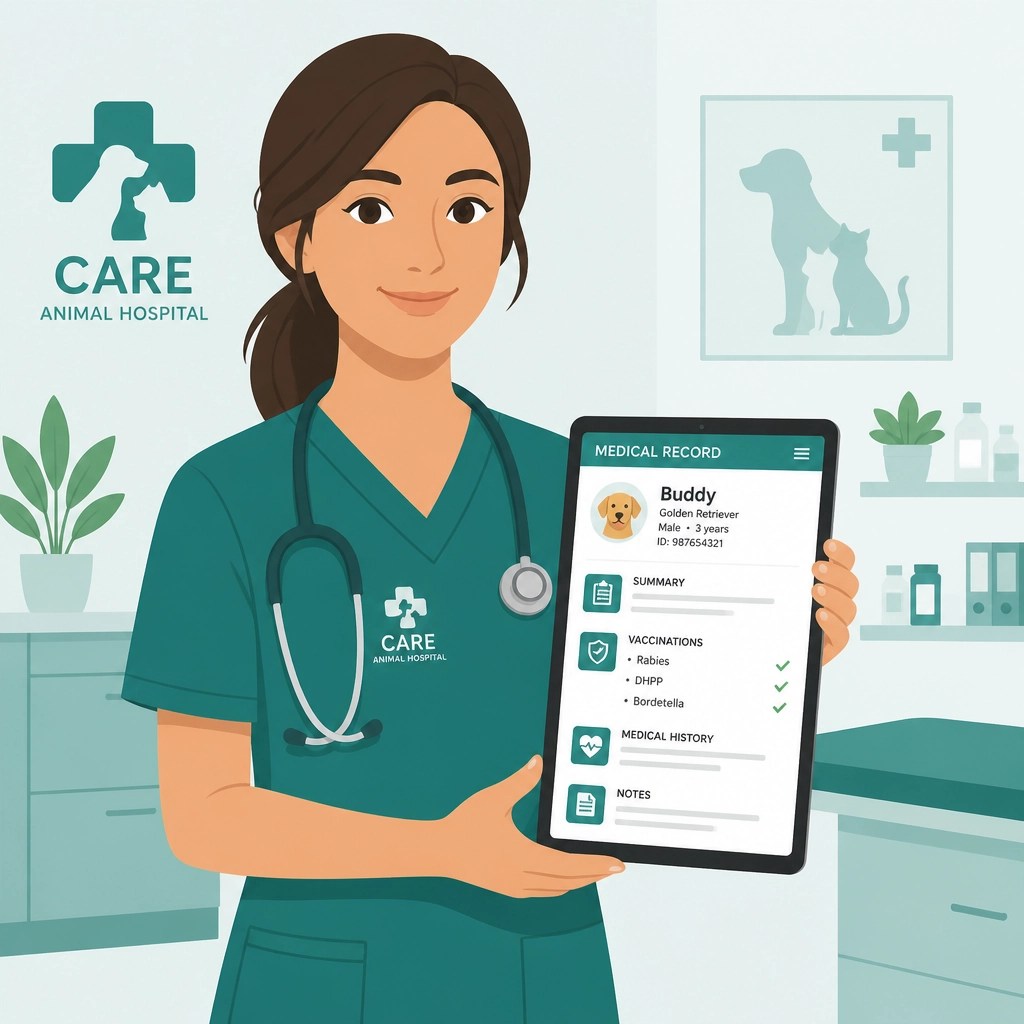
Does your software work as well on a tablet as it does on a desktop?
Many older PIMS were designed for desktop computers only. This creates a significant “mobile gap” for veterinarians who perform house calls, work in large animal medicine, or simply prefer to move between exam rooms with a tablet.
The mistake here is assuming that a “web-friendly” site is the same as a mobile-optimized platform. A true mobile-first PIMS allows you to:
- Update records in real-time at the patient’s side.
- Show clients educational images or X-rays directly on a handheld device.
- Capture digital signatures for consent forms immediately.
If your software keeps you tethered to a desk, it is limiting your ability to provide flexible, high-quality care.
Is your practice failing to use its own intelligence?

Every day, your clinic generates a massive amount of data. If you are not using “Practice Intelligence” features, you are essentially flying blind.
What is Practice Intelligence?
It is the ability of your software to analyze your data and provide actionable insights. Many practices make the mistake of only using their PIMS for basic tasks and ignoring the reporting features.
Common missed opportunities include:
- Client Retention Tracking: Identifying clients who haven’t visited in over a year.
- Revenue Analysis: Seeing which services are the most profitable and which are costing you money.
- Inventory Management: Tracking stock levels automatically to prevent over-ordering or running out of essential medications.
- Workflow Bottlenecks: Analyzing how long patients spend in each stage of their visit to identify where delays occur.
Without these insights, it is difficult to make informed business decisions. Utilizing these tools is one of the 6 things to look for in veterinary software.
Are you settling for poor integrations?
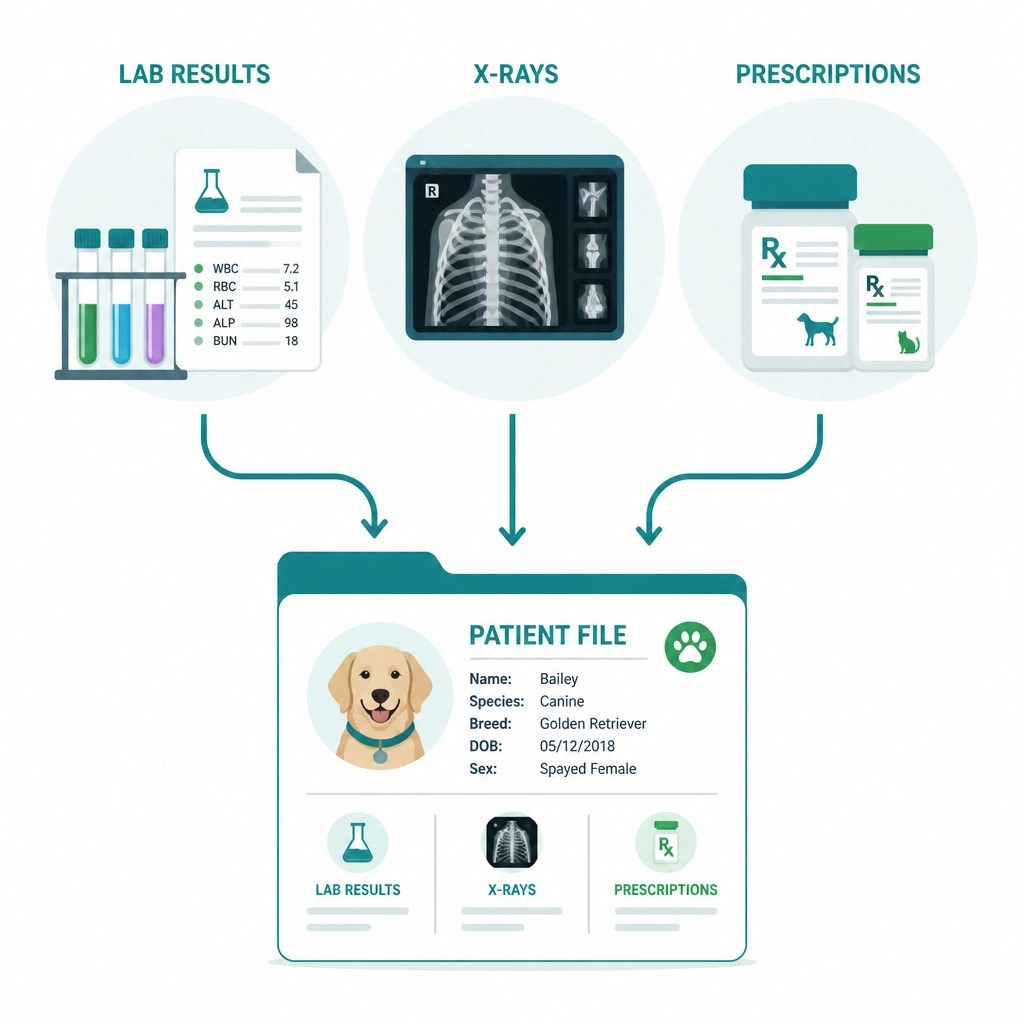
Do your tools talk to each other?
A major PIMS mistake is operating in “silos.” This happens when your practice management software doesn’t communicate with your other essential tools, such as:
- Reference and in-house labs (IDEXX, Antech, etc.).
- Digital imaging and X-ray systems.
- Client communication platforms (text and email reminders).
- Inventory and pharmacy management.
When these systems are disconnected, your team spends their day copying and pasting information from one screen to another. This is not just a waste of time: it’s a risk to patient safety. An integrated system ensures that the veterinarian always has the most current and complete picture of a patient’s health.
What should a modern PIMS do to solve these challenges?
The most effective platforms are built to address these common industry mistakes without adding complexity to your day-to-day work. In practice, that usually means a doctor-first, cloud-based system that supports veterinary teams with reliable access, connected workflows, and useful reporting. Animal Intelligence Software™ is one example of how that model can look when these capabilities are built into the core platform.
How it works:
- Modern Cloud Architecture: No more servers, no more manual backups. Access your practice from anywhere, securely.
- Integrated Workflows: From automated SOAP notes to seamless lab integrations, the system reduces manual entry and helps ensure charges are captured consistently.
- Mobile-First Design: Whether you are in an exam room or a barn, the software provides a consistent, high-performance experience on any device.
- Actionable Intelligence: Built-in reporting and analytics help you understand your practice’s health and identify areas for improvement.
By choosing a system that prioritizes reliability and ease of use, your practice can spend less time managing workarounds and more time supporting patient care.
What should you evaluate next?
Switching software can feel daunting, but the long-term benefits in efficiency and patient care are worth careful evaluation. Explore our tips and tricks to prepare your practice for a software switch if you are comparing options or planning a transition.